
Road freight, South Africa
Move Freight Anywhere in South Africa, and Beyond
Johannesburg to Durban, Cape Town to Gqeberha, anywhere to anywhere inside South Africa - and over the border when the load goes further. Post what is moving, see the price before you commit, and pay when it is signed for.
- 12Countries, all live
- FreeTo join, and to post
- HeldUntil it is signed for
Already a Member?
Sign in with Google or with your email address. We send a code to the address and that is all it takes.
Who It Is For
Every side of the same load, each with its own screen and its own job to do.
Shippers
You have something that needs moving
Post what is moving and where. The price comes back before you commit to anything, and you watch the truck to the door.
What you getTransporters
You run trucks
Work comes to the trucks that fit it. You are paid out of money that was already put aside before your driver turned a wheel.
What you getOwner-Drivers
You own the truck and you drive it
One account that is both the business and the driver, so nobody has to accept a load on your behalf.
What you getFreight Brokers
You move loads without owning trucks
You know where the cargo is, which road is cheapest and who to put on it. Arrange the whole move here and keep your margin.
What you getDrivers
You are the one on the road
One screen, one next step, and a button that brings the desk to you when something goes wrong.
What you getClearing Agents
You work the border
Cross-border loads come to your desk with the paperwork already listed, and your fee travels in the customer's price.
What you getReceivers
You are expecting a delivery
A link, no account. See where it is, and sign for it when it reaches you.
What you getPartners
You sell to operators
Fuel, tyres, cover and workshops, put in front of the fleets that are actually running.
What you getHow A Trip Runs
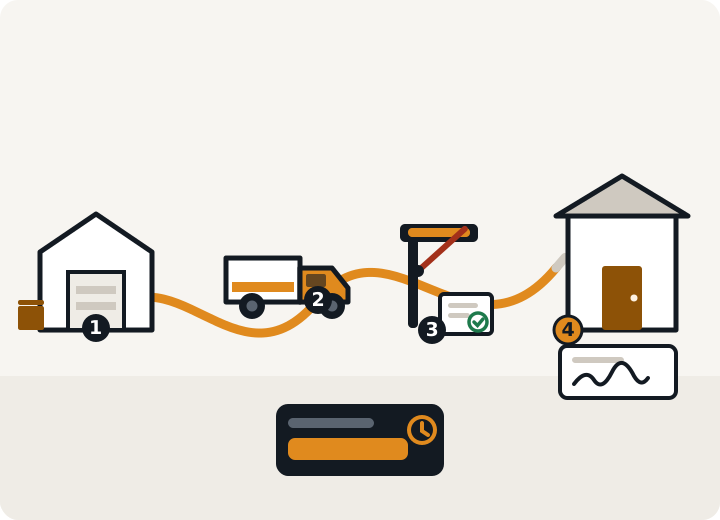
Four steps, and the same four whichever side of the load you are on.
One · The load goes up
Where it is collected, where it goes, what is on it and when it has to be there. The platform works the route, the distance and the price out and shows you the price broken down before anything is booked. Something out of the ordinary goes out for bids instead, and transporters price it themselves.
Two · A truck that fits it takes it
The load is put in front of trucks that are equipped and permitted for it, nearest first, with anybody the customer has marked preferred asked ahead of the rest. The first to accept takes it. The customer pays, and the platform holds the money.
Three · It runs, and everybody can see it
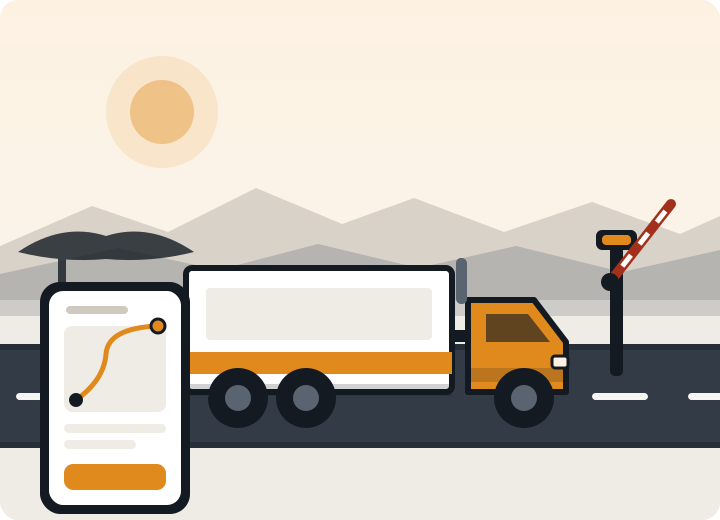
The driver works one step at a time: collected, on the road, at the border, delivered. The truck reports its own position, so nobody has to ring and ask. Crossing a border, the checklist of what that post wants is already drawn up and a clearing desk can be booked onto the trip.
Four · Somebody signs, and the money moves
The receiver signs on the driver's phone and says whether it arrived in good order. That signature is what releases the money: the transporter's share, the clearing agent's share and the platform's commission are split out and land in wallets the same moment. If something went wrong, either side can raise it, and nothing moves until it is settled.
The Money Waits
Nobody is chasing an invoice, and nobody is carrying the risk alone.
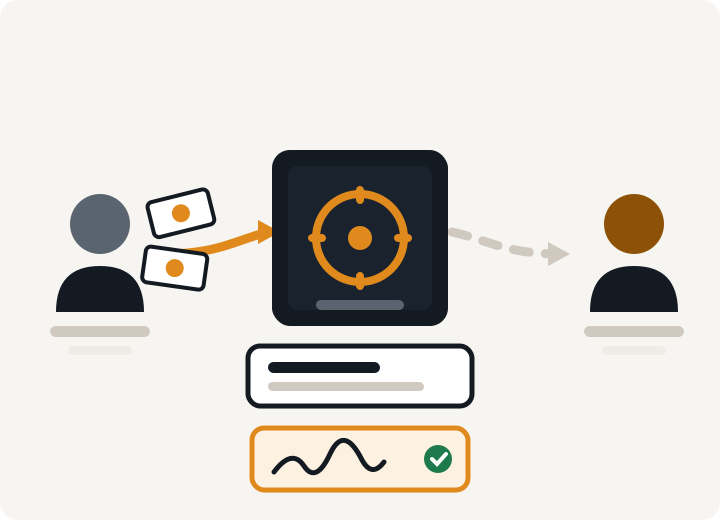
The customer pays when the load is accepted, and the platform holds it. It is not the platform's money and it is not spent: it sits against that one load until the cargo has been signed for at the other end. Then it is split and paid out, every movement written down twice so the books can be proved at any moment.
If a load goes wrong, either side raises it and the money stands still, whatever else happens to the trip. A dispute outranks a signature, so a delivery signed after a claim was made does not quietly release anything.
The Border Is The Job
On this corridor the gate costs more hours than the road does.
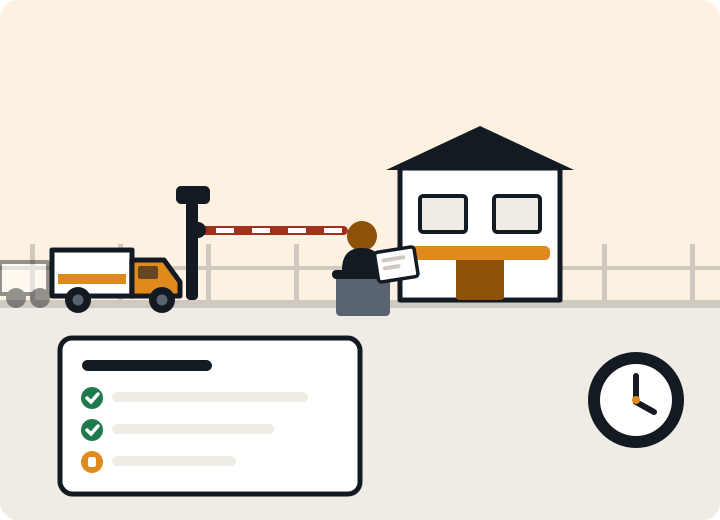
Every cross-border load carries a checklist of what that particular post wants, from the load, the truck, the driver and the operator, with the papers already on file ticked off and the missing ones named while there is still time to fix them. A clearing desk that works that post can be booked onto the trip, and its fee travels in the customer's price from the quote rather than appearing at the gate.
Each crossing is timed, so the platform knows which post is running slow this week and can say so before a truck is sent to it.
Start With One Load
Join with Google or an email address, say what you are, and put your papers up. Nothing is charged until a load is booked.